Why it matters:
- FMCG brands are already facing packaging shortages;
- Imports from Vietnam and Malaysia increase product costs;
- By 2030, the market will grow to 10 billion cans — and shortages will persist.
🛠️ We conducted an analysis and propose an investment model to launch a new plant with a capacity of 600–700 million cans per year. Indonesia is ready for a new player.
📩 Article available via link (or in comments). Discussing due diligence and turnkey localization.
🔍 The aluminum can market in Indonesia is experiencing a shortage — over 7 billion units in 2025 with local capacity under 1 billion.
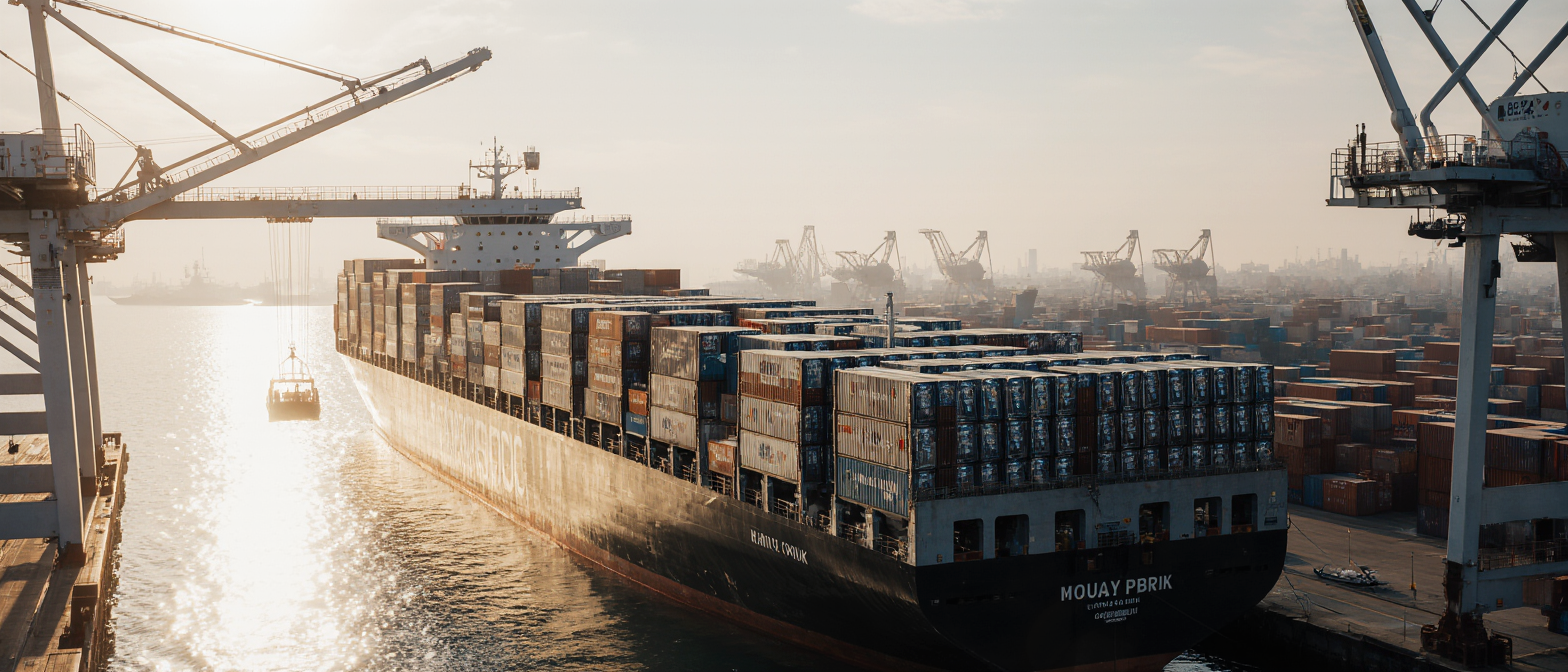
Aluminum Can Shortage in Indonesia: How Bali Can Change the Market
Indonesian brewers and RTD beverage producers will order over 7 billion aluminum cans in 2025. However, local plants will only be able to produce one in seven. The remaining volume is imported from Vietnam, Malaysia, and Thailand, increasing packaging costs by 500–600 IDR per unit. Amid rapid demand growth and logistical constraints, the window for new production is widening — especially if Bali becomes the entry point.
“Empty cans” as a risk to FMCG growth
The craft and RTD beverage category is growing at double-digit rates, especially in tourist regions. Producers are already facing packaging shortages. Imported containers are not only more expensive but also require complex supply planning. This slows the growth of local brands and raises product costs.
Who makes cans in Indonesia today
The can manufacturing market in Indonesia is represented by a limited number of players:
- Crown Asia Pacific (plant in Karawang, opened in 2017) — up to 650 million cans per year (crowncork.com).
- 88 Indocan — approximately 120–180 million cans.
- Several small lines unable to provide significant volumes.
- Ball Corporation (Vietnam)
- Canpack (Malaysia)
- Thai Beverage Can (Thailand)
- Geography: logistics hub for Eastern Indonesia and tourist islands.
- Demand: cluster of craft breweries and RTD producers.
- Infrastructure: potential location in KEK Sanur zone with tax incentives.
- Image: “green factory” for an eco-tourism zone with high PR impact.
- Design capacity: 600–700 million cans per year.
- Estimated CAPEX: $80–90 million.
- Potential off-take contracts: Heineken/Multi Bintang, Coca-Cola Europacific Partners (CCEP).
- Raw materials: aluminum price volatility (LME).
- Currency: IDR/USD exchange rate fluctuations.
- Import substitution: INALUM plans local sheet production launch by 2028.
Learn More
Market Potential Assessment Plan.
This plan will help determine whether to introduce the product to the Indonesian market, identify existing risks and opportunities, and select the best strategies.
This plan will help determine whether to introduce the product to the Indonesian market, identify existing risks and opportunities, and select the best strategies.
CONTACT INFORMATION